Josh da Costa // New Wave Graveyard
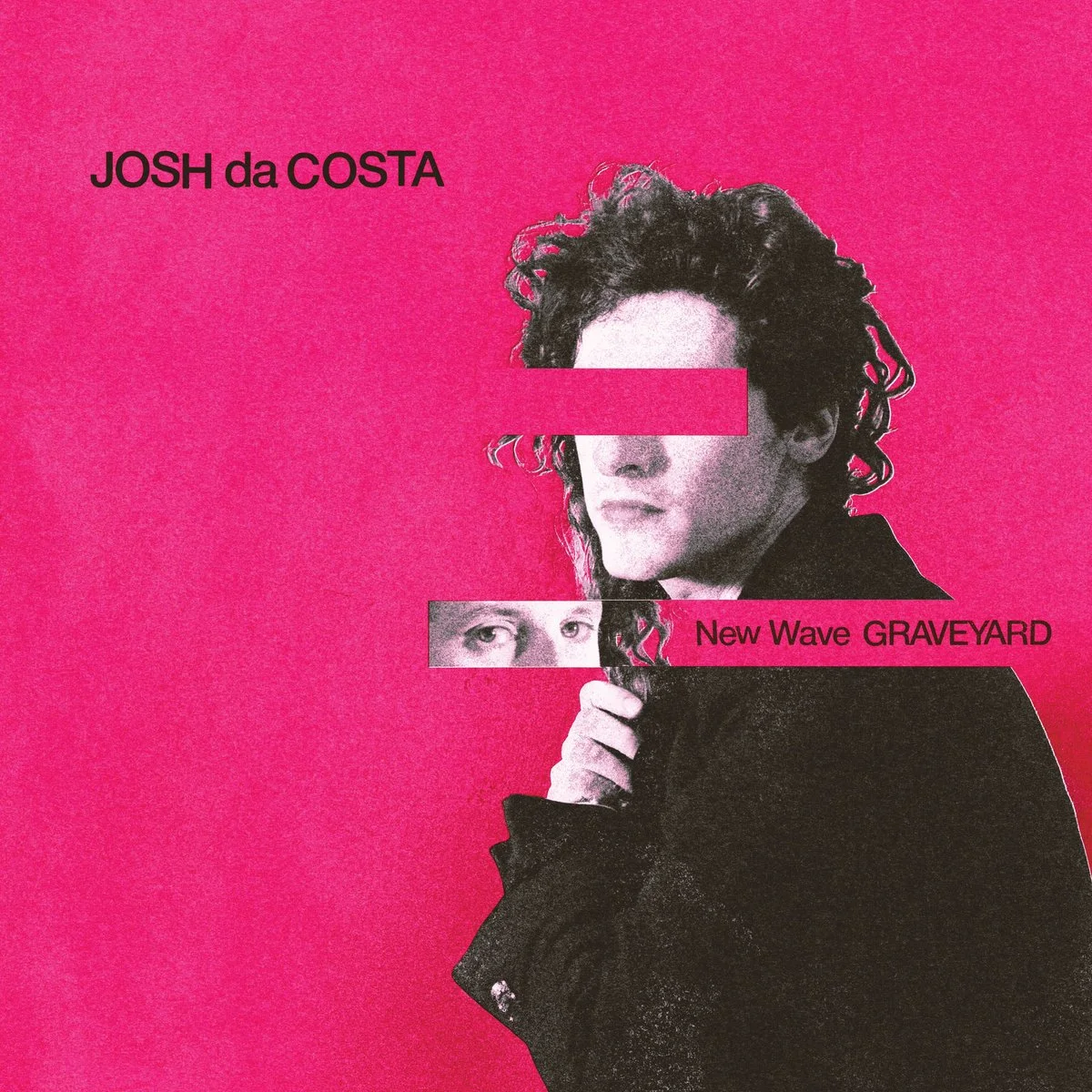
The title New Wave Graveyard promises nostalgia, but Josh da Costa is more interested in recombination than resurrection. After years in Regal Degal and CMON, and around Los Angeles’ underground as a DJ and NTS host, da Costa treats his Stones Throw solo debut like a record collector’s dream of pop history: familiar forms slightly misremembered, rearranged, and filtered through his own peculiar pop instincts. “Skygirl” turns adolescent alt-rock longing into a blissed-out guitar rush, while “Proving Me Right” leans toward the sleek, theatrical end of glam and synth-pop. “Cordelia” softens the edges into dreamy romanticism, while “Shireen” carries a distinctly Cure-like ache in its chiming guitars and new-wave melancholy. “96 Year Old Girl” rides a driving beat and shimmering synths toward something stranger, funny on the surface but less settled underneath. Across the record, traces of Flying Nun jangle, Sparks and Japan, shoegaze, power pop, and art-pop drift in and out without settling into quotation. That breadth could have made New Wave Graveyard feel like an exercise in taste, but da Costa’s songwriting keeps it from becoming a museum piece. The melodies are immediate, the arrangements have personality, and the record’s odd humor never overwhelms its affection for the people, places, and half-invented memories inside these songs. Da Costa has described the album as “greatest hits from a parallel universe,” and the phrase fits because the pleasure comes less from identifying references than hearing how naturally they coexist. By the end, they’ve stopped announcing themselves, leaving behind the crooked, catchy pop universe da Costa was building all along.